Making an Impact
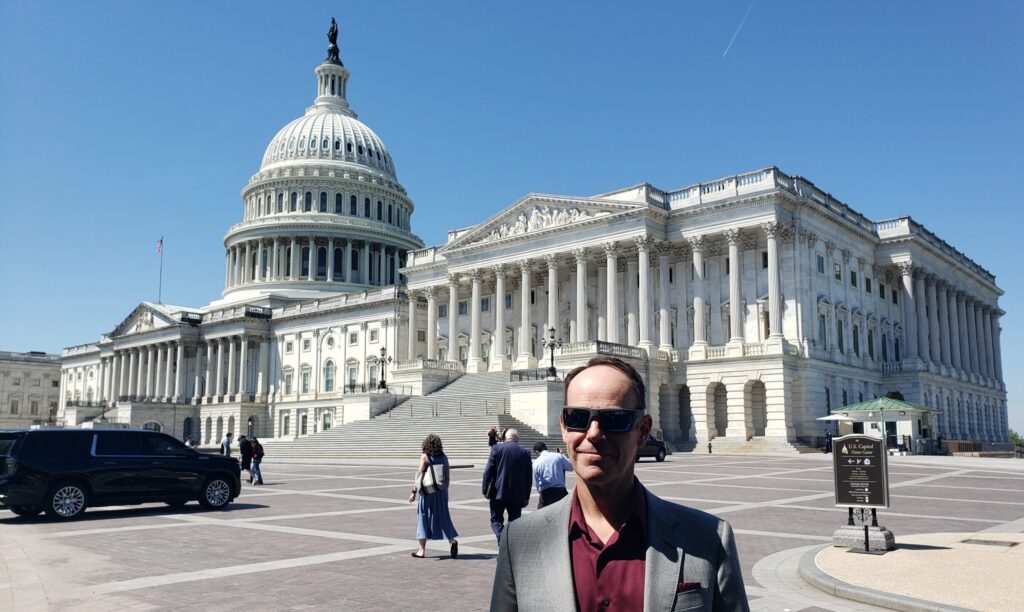
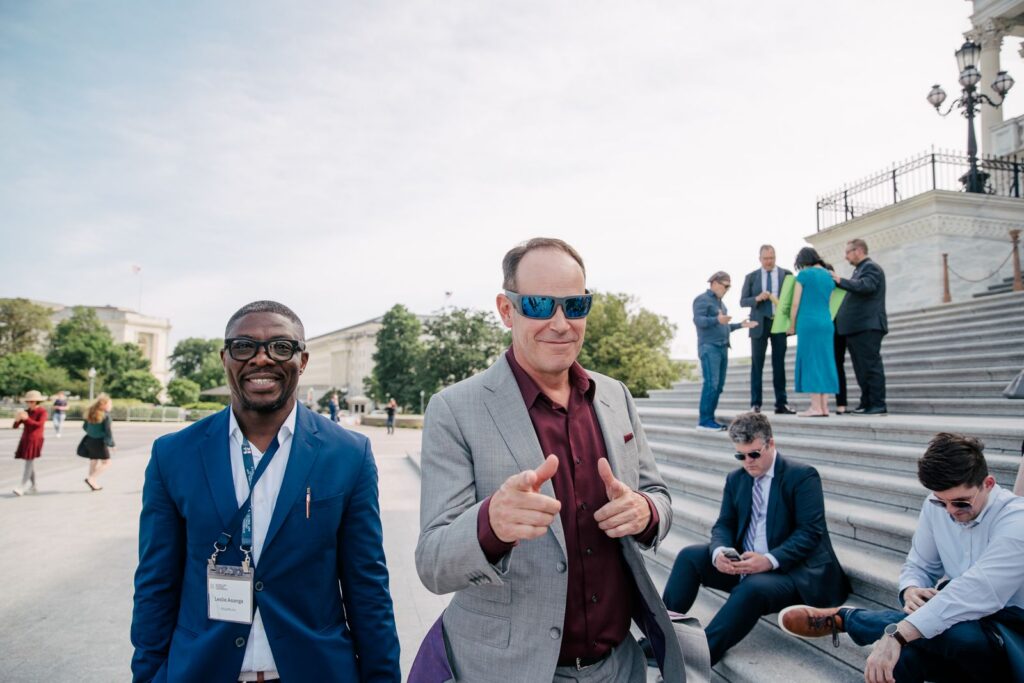
I’ve been to plenty of conferences where you just sit in a ballroom, take notes you’ll never read again, and head home. My recent trip to D.C. for ACT’s Global App Economy Conference (U.S. 2026) from May 3 to May 6 was a completely different experience.
ACT | The Association for Competitive Technology brought together a diverse group of founders, operators, tech companies, and policy leaders for conversations that felt urgently relevant rather than purely theoretical. We dug right into the invisible policy decisions—things like privacy, AI, antitrust, copyright, and tax incentives—that dictate whether small digital businesses can actually compete and scale, or if they’ll be quietly choked out of the market.
ACT makes a point of amplifying the voices of startups and independent developers so policymakers hear from the people actually living with the consequences of these decisions, not just tech giants with massive lobbying budgets. When you’re in the trenches building a company, policy isn’t just a talking point; it’s a very real factor in your costs, compliance, distribution, and ultimate survival.
A Marathon on Capitol Hill
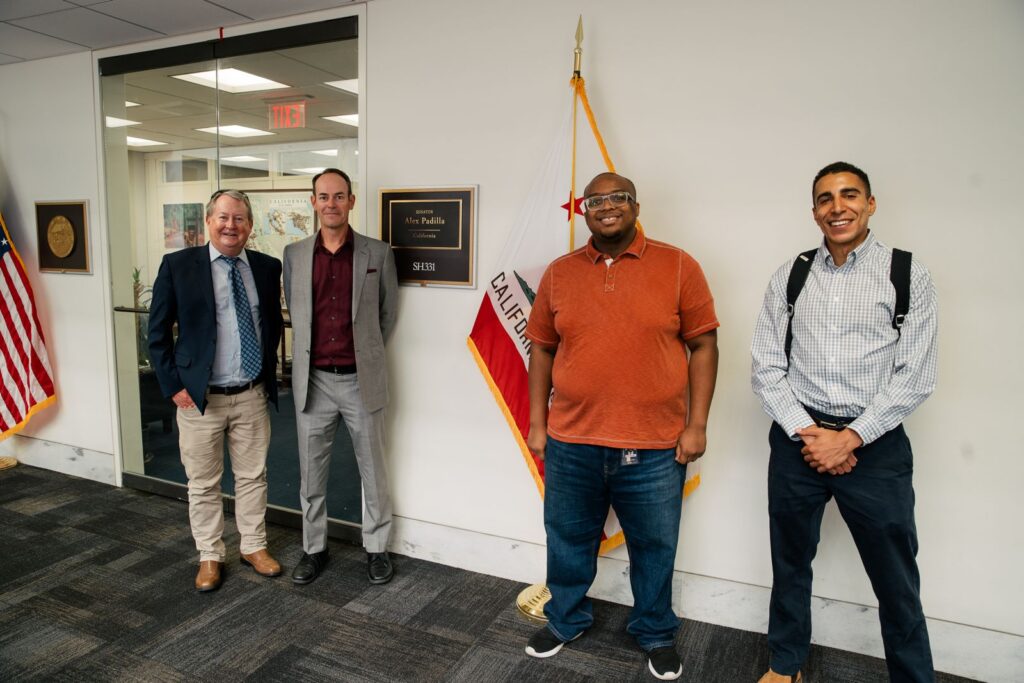
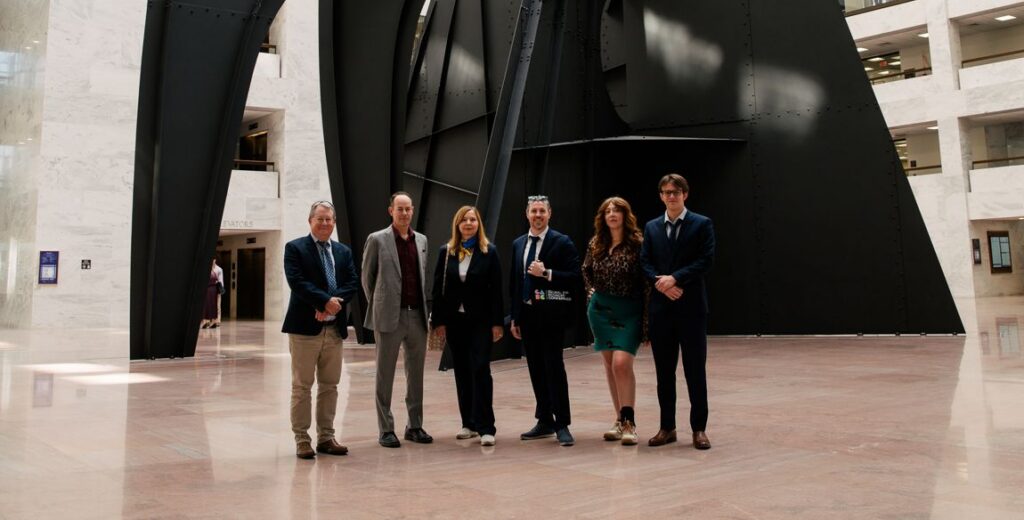
Tuesday was a packed day on the Hill. We started the morning at The Darcy Hotel before heading out for back-to-back meetings with the offices of Sen. Alex Padilla, Rep. Johnny Olszewski, Rep. Tom Barrett, Sen. Gary Peters, and the House Ways and Means Committee.
It was an intense schedule, not because a single meeting instantly changes a law, but because it’s so critical for founders to literally be in the room where decisions are made. If policymakers only ever hear from massive platforms or entrenched trade groups, the startup ecosystem loses by default.
One theme that really resonated with me was ACT’s push for policymakers to understand the difference between protecting competition and protecting competitors. For instance, when we talk about antitrust and marketplace policy, it’s easy to forget that curated platforms (like app stores or cloud hubs) actually help small businesses reduce overhead and build trust. I’ve spent my career helping companies scale, and I know firsthand that if a startup has to build everything—from the payment layer to the distribution network and security compliance—entirely from scratch, they’ll rarely make it to market. If heavy-handed regulations break these essential tools before smaller companies can grow, we won’t get more competition; we’ll just get fewer startups.
We wrapped up Tuesday evening with a congressional reception in the Rayburn House Office Building. It’s hard to capture the energy of moving from formal committee rooms all day to a space where founders, staffers, and elected officials are just having candid conversations about the future of tech over drinks. That’s where the real value of the trip clicked for me. It’s about building connective tissue between the people writing the rules and the people building the technology.
Connecting the Dots at the Agencies
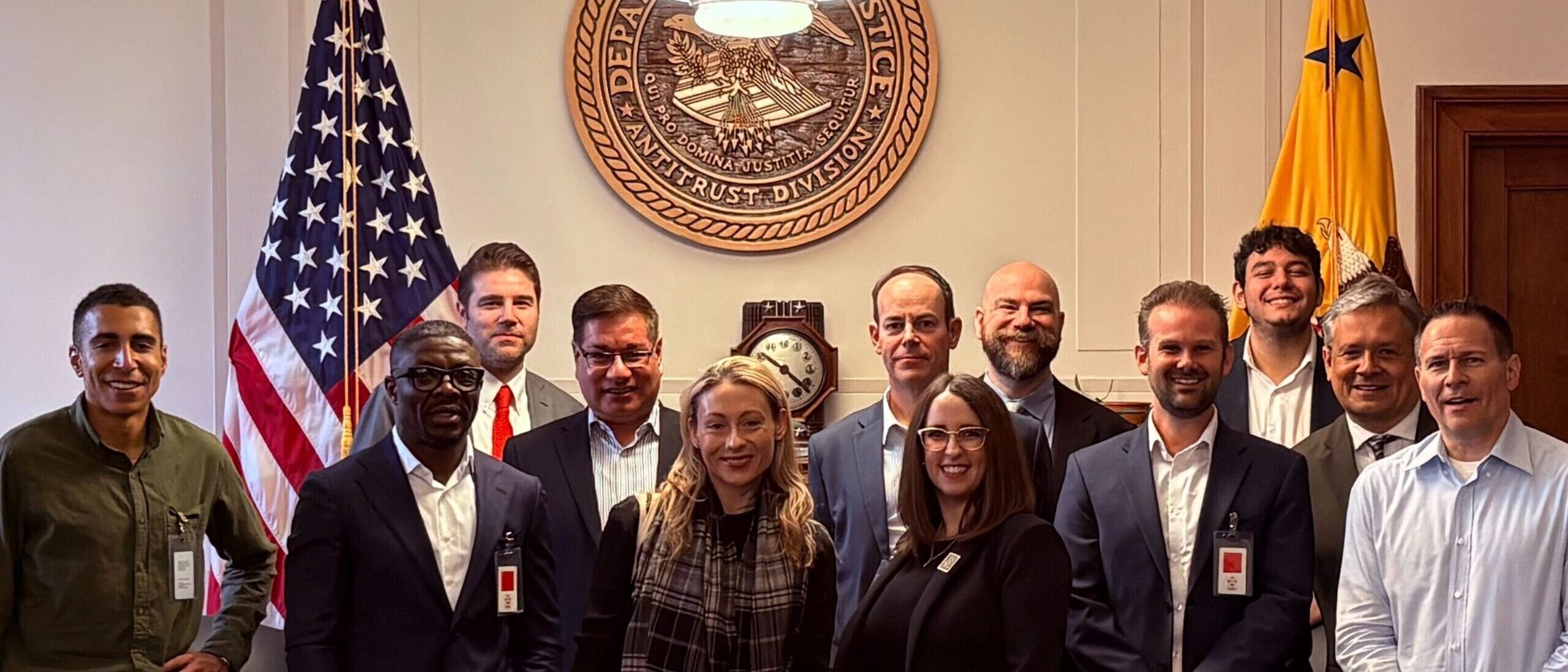
On Wednesday, our focus shifted from lawmakers to agencies and policy institutions. Our schedule included sit-downs with the DOJ’s Antitrust Division, Commerce’s International Trade Administration, and the U.S. Copyright Office, plus a Global Startup Policy Lunch.
It was a fascinating mix because it highlighted how interconnected tech policy has become. You can’t isolate these issues anymore. AI policy bleeds into copyright; antitrust impacts access to capital; privacy dictates product design.
ACT’s AI policy priorities really capture this complexity. Startups are already using AI across sectors like healthcare and cybersecurity, but they’re facing a messy, overlapping patchwork of state, federal, and international regulations. The irony is that the companies best equipped to navigate this regulatory maze are the massive corporations with sprawling legal teams, while the startups everyone claims to want to protect are the ones getting buried. We absolutely need rules, but they have to be practical, scalable, and built for the reality of running a small business.
Personally, the visit to the Copyright Office was a major highlight. Since I’m currently writing a book, creating content, and advising tech companies, the intersection of AI and copyright isn’t just abstract policy to me—it’s something I deal with daily. We’re grappling with massive questions right now regarding human authorship, training data, and market harm. ACT’s materials rightly point out that this uncertainty can paralyze small software developers who need to know their work is protected in order to stay competitive. We have to strike a delicate balance between protecting intellectual property and leaving enough breathing room for innovation to actually happen.
The Startup Policy Lesson
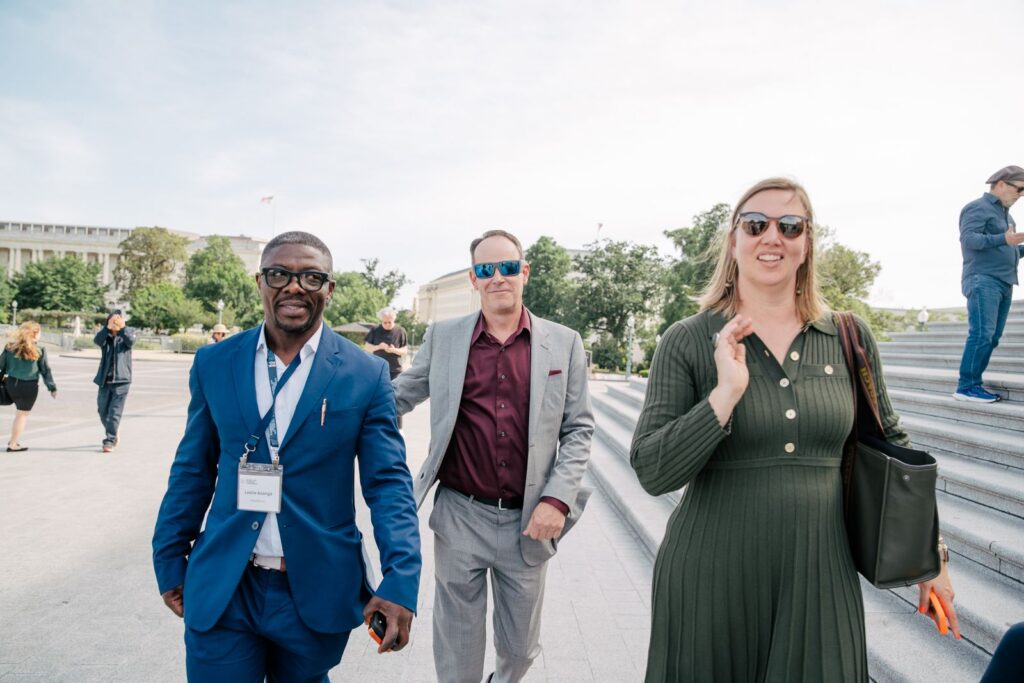
If I walked away with one overarching lesson, it’s that startups simply can’t afford to ignore policy.
It’s a common mistake for founders to push policy to the back burner, thinking it’s something to worry about only after raising a Series B or hiring a government affairs team. But policy dictates whether you can even sell your product, how you handle data, and whether you can integrate with other platforms.
For example, ACT spent time highlighting the disastrous impact of the Section 174 R&D tax treatment, which forced startups to amortize R&D expenses rather than deducting them immediately. To a giant corporation, tax uncertainty is an annoyance; to a startup, it’s an existential threat. The policy layer might be invisible to the end consumer, but it dictates the reality for the builders.
Why This Matters
I went into this conference wearing a few different hats—as a founder, an operator, and someone who helps international companies break into the U.S. market. A huge part of that work is helping companies establish credibility.
Too often, founders think credibility just means a slick pitch deck, a sharp LinkedIn profile, or the right investor intros. But real credibility is being present in the rooms where your market is actively being shaped. It’s understanding the regulatory environment before it morphs into a business crisis, and being able to articulate why your company matters within the broader economic ecosystem. Building a company is about context just as much as it is about product and capital.
Leaving D.C., I have a much deeper appreciation for the work ACT is doing. The “app economy” isn’t just Apple and Google. It’s independent developers, health tech startups, e-commerce builders, and small digital agencies trying to make a dent before they have the budget or political access of the giants.
Those companies deserve a seat at the table. This week, we had one, and I was proud to be there.