I have spent a lot of my career helping companies move into new markets.
Sometimes that has meant building a U.S. team from scratch for a European ad-tech company. Sometimes it has meant helping launch biometric payments in the United States. Sometimes it means working with founders who have a great product, real technical talent, and a strong domestic market, but are still trying to figure out how to build credibility outside of their home country. This was the lens I brought to the Warsaw Tech Forum.
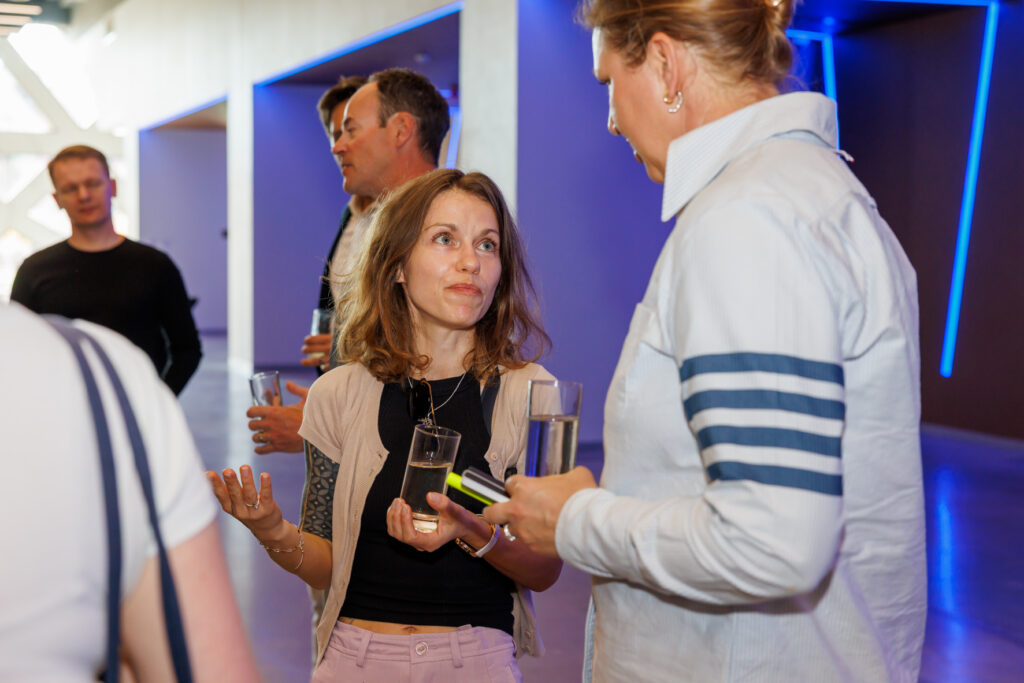
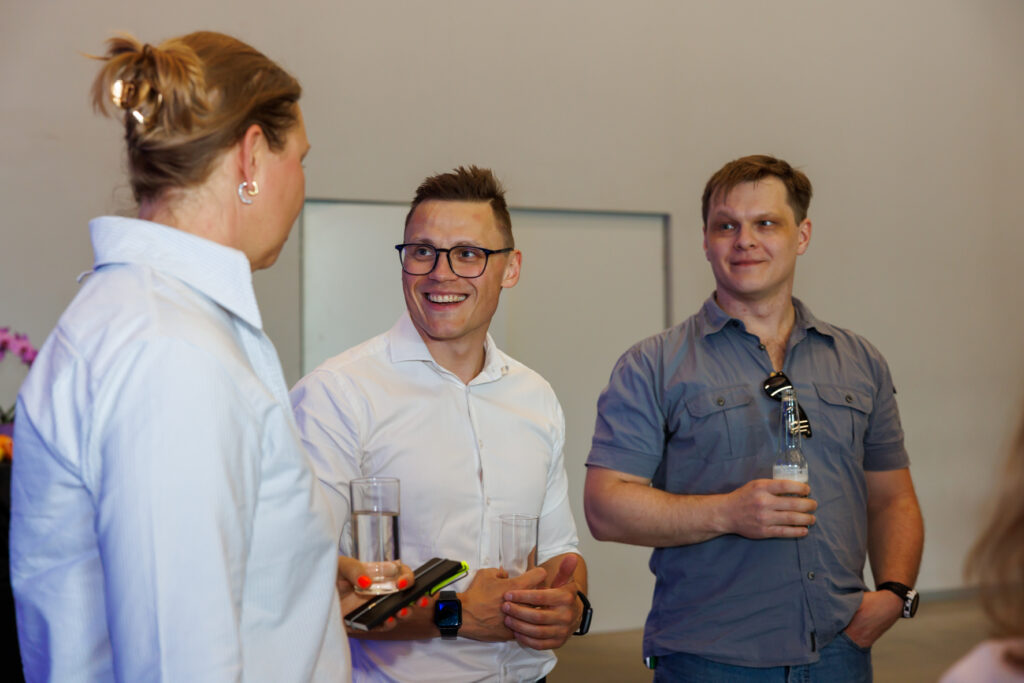
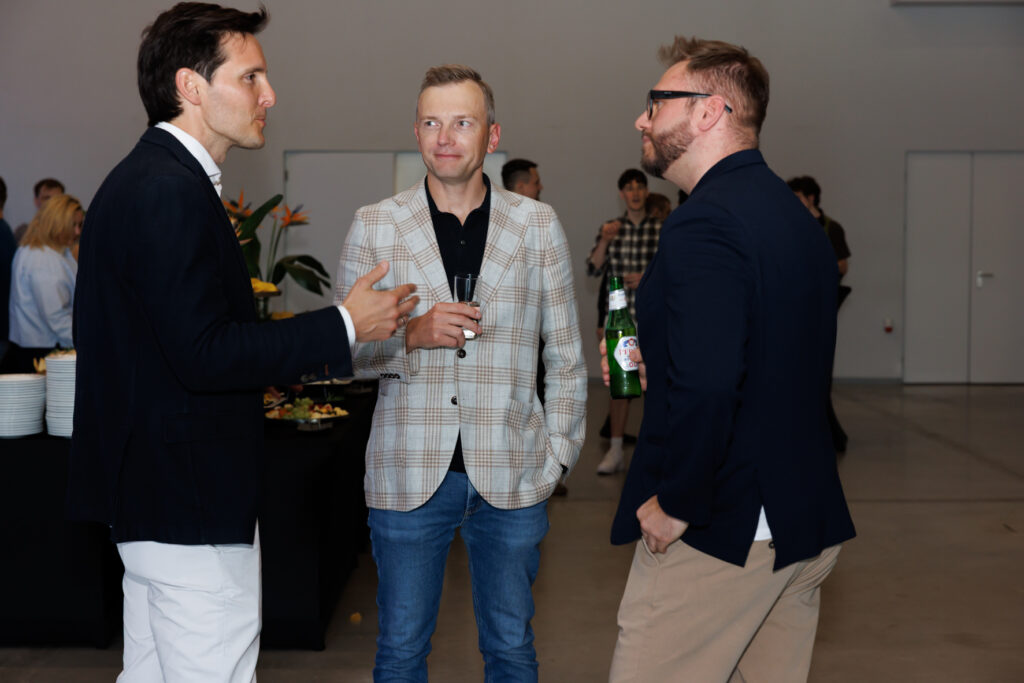
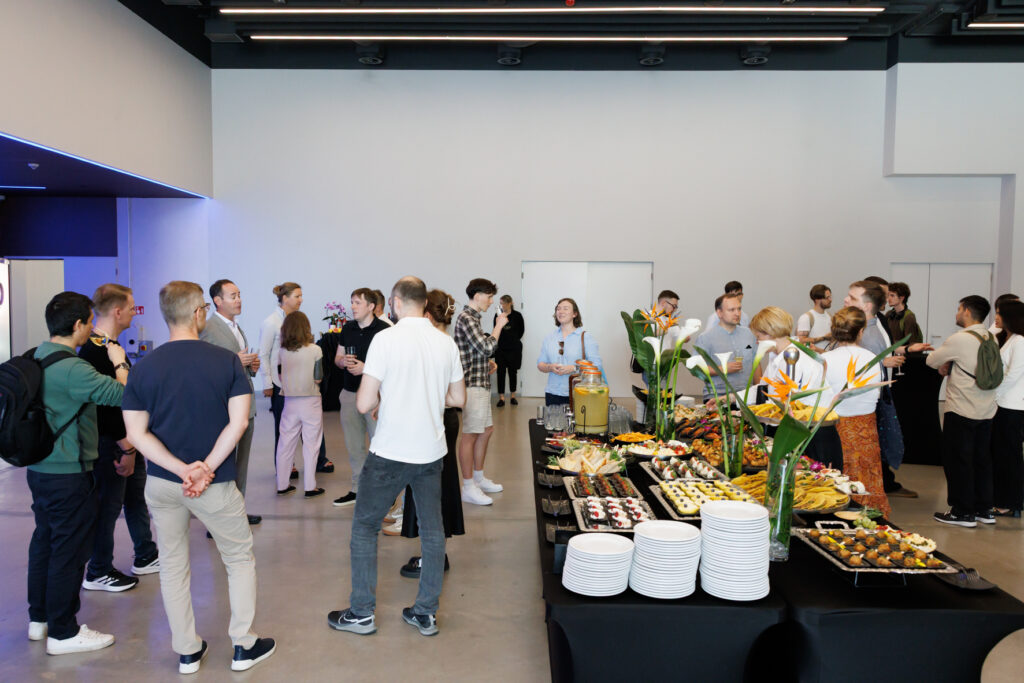
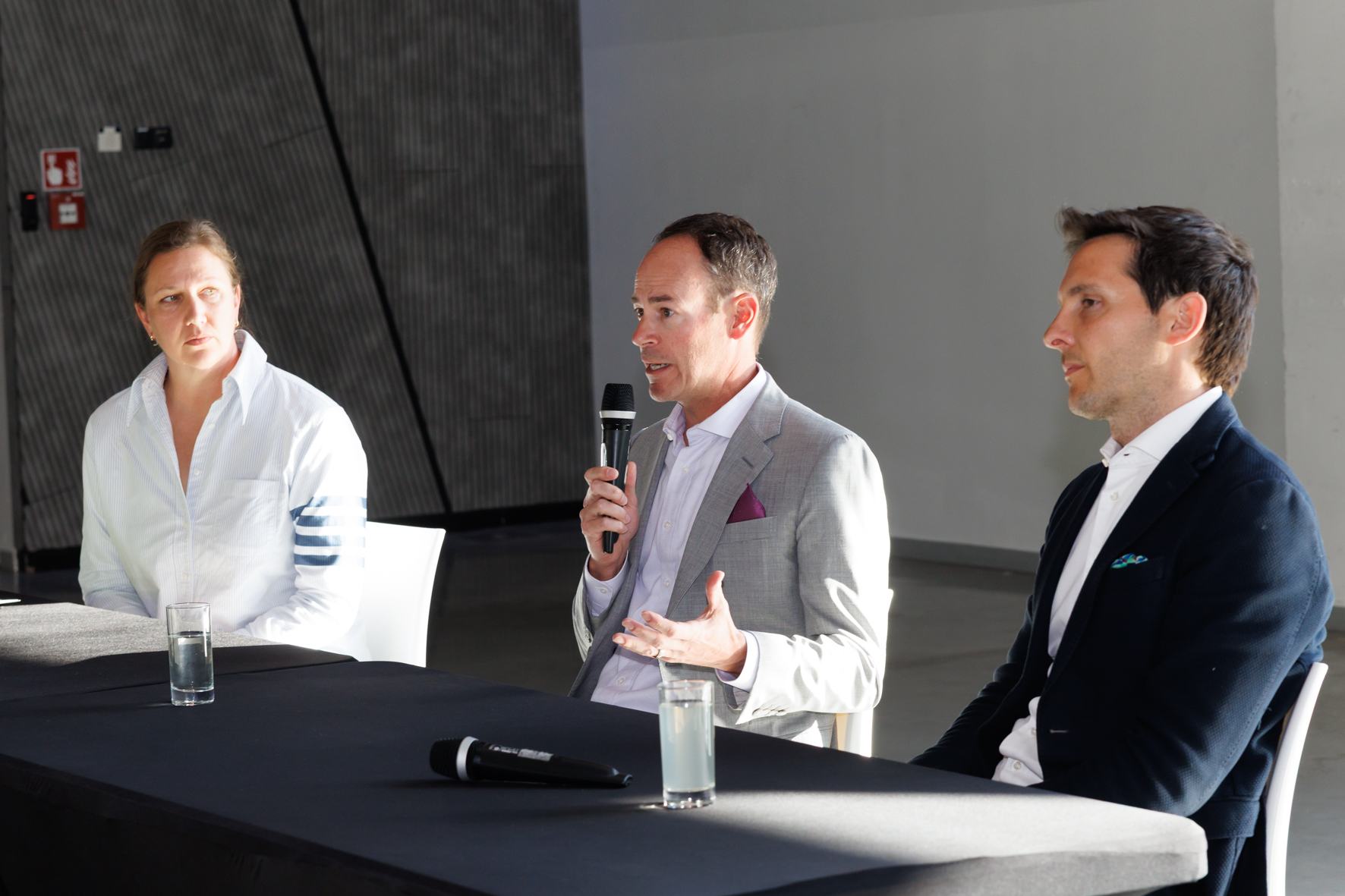
On Monday, May 25, I joined Radosław Dobrołęcki and Chelsea Thomas for a panel hosted by the Association for Competitive Technology as part of ACT’s Developed Tour. The conversation focused on startup expansion, regulatory friction, market entry, and what European founders need to think about if they want to compete internationally, especially in the United States.
It was a strong room, and it was the right city for this conversation. Warsaw has become one of the more interesting startup and technology markets in Europe. Poland has deep technical talent, strong founders, and a growing base of companies that are capable of building far beyond the local market. I have seen that firsthand through my work with RTB House and PayEye, two very different Polish companies that both had to think seriously about what it means to expand internationally.
RTB House was an ad-tech company scaling globally toward enterprise clients. PayEye was a biometric payments company introducing a new payment experience into markets where trust, regulation, privacy, and adoption were all critical issues. Different products. Different categories. Different challenges. But the underlying lesson was similar. A great product is not enough. If a company wants to scale internationally, it has to build credibility before the market fully understands what it does.

The Real Challenge Is Not Just Expansion
A lot of founders talk about expansion like it is a sales problem. Find customers. Hire local people. Translate the website. Open a new market. Start selling. That is part of it, but it is not the whole picture. International expansion is a credibility problem first.
Companies from Poland and across Europe often have excellent engineering and product capabilities. What they sometimes underestimate is how much market entry depends on trust, timing, local relationships, proof points, and the ability to communicate value in a way that fits the target market.
The U.S. market rewards speed, ambition, and commercial clarity. But it also punishes confusion very quickly. You have to know who you are selling to, why they should care, what problem you solve, and why they should believe you can deliver. That sounds basic. It is not. It is where many companies struggle.
Regulatory Friction Is Becoming a Growth Issue
One of the biggest topics we discussed was regulatory friction. For startups and scaleups, regulation is not an abstract policy debate. It becomes part of the operating environment. It affects hiring, fundraising, product decisions, compliance costs, customer acquisition, and the ability to enter new markets.
In Europe, founders are navigating an increasingly complicated mix of rules and frameworks, including GDPR, the AI Act, the Digital Markets Act, and other country-level or sector-specific requirements. Each may have a policy rationale on its own, but the combined effect can be difficult for smaller companies to manage.
Large companies can absorb complexity. They have legal teams, compliance teams, government affairs teams, and outside counsel. Startups do not.
For a small company, every additional layer of uncertainty becomes a tax on growth. It slows decisions. It makes investors more cautious. It increases the cost of experimentation. It can delay market entry. In some cases, it may push founders to build or expand somewhere else entirely.
That does not mean regulation is bad. It means regulation has to be clear, practical, and designed with the operating reality of startups in mind. When policymakers write rules as if every company has the resources of a global platform, they create an environment that favors the very companies they often claim they are trying to restrain. That is the part of the conversation that matters most.
If Europe wants more global technology champions, it has to make sure that founders can spend more time building, selling, hiring, and scaling, and less time trying to understand how overlapping regulatory regimes apply to a company that may only have ten or twenty employees.
What European Founders Often Underestimate About the U.S. Market
I have worked with a lot of companies that see the United States as the next logical step. That makes sense. The U.S. is large, commercially aggressive, and often more open to new technologies than many other markets. There is also more capital, more enterprise opportunity, and more willingness to move quickly when a buyer sees a real business case.
But the U.S. is not one market in the way many founders imagine it. It is a collection of regions, industries, buyer types, regulatory environments, cultural expectations, and competitive dynamics. The mistake some founders make is assuming that traction in Europe automatically translates to credibility in the U.S. It usually does not.
A company may have a strong product, great case studies, and a real business in Europe, but U.S. buyers still want to know who else in their market is using it, whether the company can support them locally, whether the solution integrates into their environment, and whether the vendor understands how decisions actually get made.
That is why I believe founders need to start building international relationships earlier. Not when they are ready to sell. Earlier. Before they raise the next round. Before they hire the U.S. country manager. Before they start booking conference booths. Before they assume the same positioning will work.
Founders should be building relationships with potential customers, investors, advisors, industry groups, policy organizations, and local operators well before expansion becomes urgent. That creates context and credibility.

The Warsaw Advantage
One of the things I appreciated about the event was the audience. Warsaw has a serious founder and operator community. The questions were thoughtful. The energy in the room was strong. There was a clear interest in understanding not just how to build companies, but how to build companies that can compete outside of Poland and outside of Europe. This is an important shift.
For a long time, many European startups thought too locally for too long. They built for their home market first, then thought about expansion later. In some categories, this approach still works.
But in software, digital platforms, AI, fintech, marketplaces, health tech, and many app economy businesses, founders need to think globally much earlier. That does not mean every company needs to launch in ten countries immediately. It means the company should be designed with global credibility in mind.
Why Community Matters
Another important part of the panel was the role of community. Founders sometimes think international expansion is a solo act. It is not. The companies that expand successfully usually have a network of advisors, early customers, commercial partners, and local champions around them. This community does not replace execution, but it does shorten the learning curve.
It can help a founder avoid obvious mistakes. It can create warm introductions. It can explain market realities that are not visible from a pitch deck. It can help a company understand when it is ready and when it is not.
That is one of the reasons organizations like ACT matter. They bring together founders, operators, policymakers, and ecosystem leaders in rooms where practical conversations can happen. Not just panels for the sake of panels. Real conversations about what companies are facing and what they need in order to grow.
The Takeaway for Founders
If someone in the Warsaw audience were starting their global expansion plan today, my advice would be simple. Start with credibility. Before you pick a market, build a list of the proof points you need in that market. Then start building those relationships before you need them. Too many companies wait until they are ready to sell before they begin building market trust. By then, they are already behind.
The better approach is to build credibility in layers. First with advisors and ecosystem relationships. Then with early conversations and market feedback. Then with pilot customers or anchor partners. Then with public proof points, case studies, and local references. Eventually you will have the ingredients to push scale. This is how you can reduce risk for one of your riskiest business moves > international expansion.
Final Thought
I left the Warsaw Tech Forum encouraged. Poland has the talent. Warsaw has the ecosystem. European founders have the ambition. But the next stage requires more than product excellence. It requires earlier market preparation, smarter regulatory thinking, international relationships, and a much better understanding of how credibility is built in a new market.
That is a big part of why I started Quanthym and why I just launched The Credibility Engine workshops and book focusing on credibility and go-to-market strategies. Too many companies wait until they are already trying to sell, raise capital, or enter a new market before they begin building the proof, trust, relationships, and market context required to be taken seriously. By then, they are often playing catch-up.
The companies that expand successfully tend to build credibility before they need it. They understand that go-to-market is not just a sales function. It is a credibility-building system that connects product, positioning, proof, partnerships, policy awareness, and commercial execution.
That is what I saw reinforced in Warsaw. The conversation was not just about scaling outside of Poland. It was about what it actually takes to be trusted when you get there.
For founders thinking about expansion into the U.S. or other international markets, that is the real work. Build the product, but also build the credibility engine around it. That is what turns a strong local company into a company that can compete globally.
Thank You ACT
I also want to thank ACT for the invitation to speak in Warsaw. I have been a member for more than three years, and I was honored to be part of this conversation with such a thoughtful group of founders, operators, and ecosystem leaders. A special thank you to Chelsea Thomas, Ivy Ide Reynolds, Bradley Simonich, Alexandra Cooke, Caitlin Irr, and the rest of the amazing ACT staff for the work they continue to do bringing these conversations to life. For founders and small business leaders who care about digital policy, market access, and the future of the app economy, ACT is a community worth knowing. If you attended the Warsaw event, you have already taken the first step by joining the conversation. If you are interested in learning more about membership, I would recommend reaching out to Brad Simonich at ACT or message me, I am happy to share my experiences and make you a personal intro to Brad.